
SENSORY AI
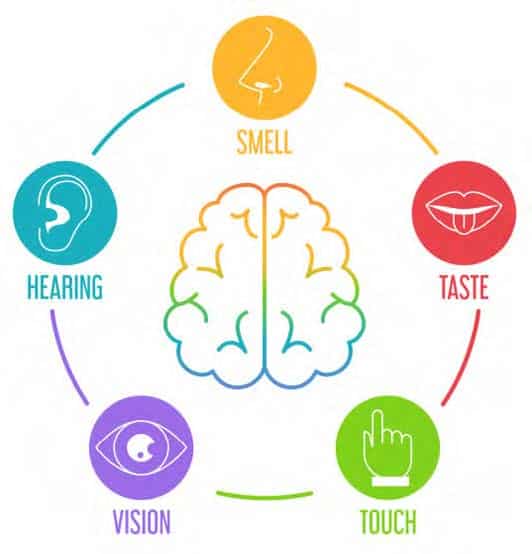
In this column we are going to review a very interesting topic: Sensory AI. In this regard, a recent publication on the brainchip.com portal comments that: “In the world of Beneficial AI, some of the most exciting possibilities can be found in sensory applications. Sensory AI is learning through sensory inputs: information from the five human senses, vision, hearing, smell, taste, and touch.” A recent post indicates that search volume for “sensory AI” has grown by 525% in the last 24 months. Meta has introduced the ImageBind AI model. This model can learn from six types of sensory data. Although it is still in the research phase, Meta believes that this system will be able to generate multisensory content in the future. Next, let’s look at some interesting examples where AI sensory modalities mimic the senses:
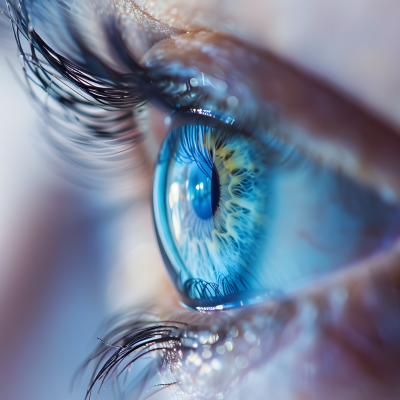
Vision: In AI, vision is one of the most basic sensory applications. Image sensors perform object detection and recognition. AI vision is used in smart cameras for facial recognition, which is also being widely used by the cosmetics industry. Image classification is used in vehicle navigation. Visual data processing is achieving new mechanisms of machine learning, which occurs similarly to the way the biological brain learns. In agriculture, a drone can monitor the growth of crops and this is something that is inspiring companies that grow different types of plants for cosmetics because they can detect pests, diseases and track the standardization of crops. Computer vision is also entering the trend and will increasingly be integrated with IoT devices to create intelligent solutions in areas such as security, home automation and industry. On the other hand, real-time video analysis will become more accurate and efficient, enabling applications such as real-time facial recognition and emotion and perception detection when consumers are testing cosmetic products, for example, in stores. 3D computer vision will gain ground in areas such as robotics, augmented reality and virtual reality. AI will be used to analyze consumers’ skin and recommend personalized products for their specific needs.
Sound: We have all used apps to identify songs we like. Now, thanks to AI in new devices, smart microphones are trained to identify sounds. The article mentions that acoustic monitoring is often used to identify the health and performance of a system. Robotic automation and voice and image sensors can also be combined as voice and gesture recognition to help people with disabilities perform new tasks and navigate their homes and the world in new ways. Thanks to this, virtual assistants will become smarter and able to understand and respond to our requests more naturally. On the other hand, the portal explodingtopics.com recently published some very interesting statistics about music to treat attention deficit hyperactivity disorder (ADHD). This type of music usually consists of calming, repetitive sounds designed to increase concentration and promote relaxation. The publication also indicates that videos about this musical genre have more than 1.9 billion views on the platform. The cosmetic industry will soon begin to innovate thanks to music, as there are scientific reports on certain types of music that can reduce serum cortisol levels and this will be reflected in skincare treatments that can be enhanced thanks to the effects of music. This is a whole field to discover in our industry.
Smell: In the market we have seen respiration sensors that are used to identify molecules related to diseases such as Parkinson’s, cancer, kidney failure, sclerosis, among others. Olfactory neural processors are undergoing impressive development. In cosmetics we are seeing an impressive boom in perfumes made through AI. Specifically, artificial intelligence algorithms analyze large amounts of data on fragrance compositions, customer preferences and market trends to generate unique scent combinations. We are seeing services such as algorithmic perfumery on the market, in which the system creates a personalized perfume after users answer specially designed questionnaires. Google recently announced that it is working on digitizing smell through AI, through which it will be able to identify currently unknown odors.
Taste: Like olfactory molecules, taste molecules can also be measured, analyzed and characterized through AI. In recent fairs and conferences we have seen new biochemical mechanisms related to the activation of taste receptors in the skin and anti-aging benefits thanks to their activation or modification. In the pharmaceutical industry, e-tongues are used in the product design and development stage.
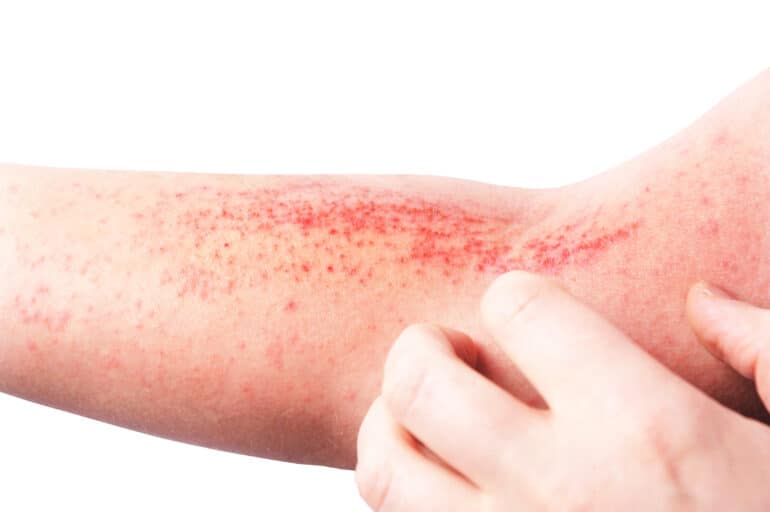
Touch: Haptic beauty also presents a great opportunity for innovation for the cosmetics industry. The perception and analysis of touch offers a surprising variety of applications and materials. The perception of heat and cold, humidity, pressure, texture, softness, comfort and other sensations can dramatically improve the way people interact with cosmetics. Haptic technology will be used to create more realistic, touch-sensitive user interfaces and will be used to create more immersive and realistic virtual reality experiences. On the other hand, more sensitive touch sensors will be developed that can detect a wider range of sensations.
Sensory AI is evolving rapidly and has the potential to transform many aspects of our lives. In product formulation and design we have a great challenge to know, learn and use all the benefits that this technology offers. The adoption of Sensory AI in the cosmetics industry is likely to accelerate in the coming years. Companies that do not adapt to this trend risk being left behind in an increasingly competitive market.

John Jiménez
John Jiménez is currently Senior Researcher at Belcorp Colombia. He is a Pharmacist (National University of Colombia) with a Master degree in Sustainable Development (EOI Business School, Madrid) and specialization studies in Marketing, Cosmetic Science and Neuromarketing. John has 28 publications in scientific journals and a book chapter in cosmetic formulation.
Maison G de Navarre Prize (IFSCC 2004), Henry Maso Award (IFSCC 2016) and best scientific papers at Colamiqc Ecuador 2009, Colamiqc Brazil 2013 and Farmacosmética Colombia 2014. He has been a speaker at various international conferences in Europe and Latin America and was President of Accytec Bogotá from 2017–2019.